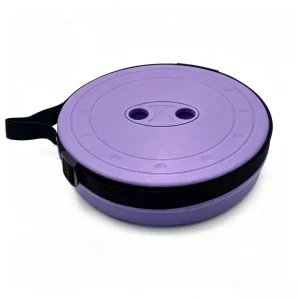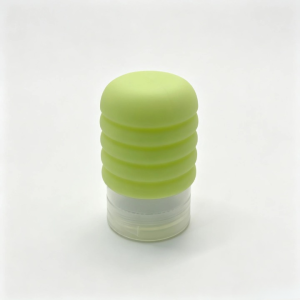

Is your kitchen cabinet overflowing with mismatched lids and bulky containers? You are not alone. After years of testing kitchen gear, I found that silicone food storage containers are the smartest upgrade you can make — flexible, lightweight, and built to last. This guide will help you choose the right ones to transform your kitchen organization for good.
Why Choose Silicone Food Storage Containers?
If you are still using old plastic or heavy glass containers, you might wonder if silicone is worth the switch. Over years of organizing kitchens and packing meals for commutes and camping trips, I have found three main reasons why silicone outperforms traditional materials. Keep reading and check these features out:
1. Safety and Health
Unlike cheap plastics, high-quality food-grade silicone does not leach harmful chemicals like BPA, BPS, or phthalates into your food. It is completely inert, meaning it won’t react with acidic foods like tomato sauce or lemon juice. When you heat it, you do not have to worry about plastic micro-particles melting into your lunch.
2. Space-Saving Flexibility
Glass breaks. Plastic cracks. Silicone bounces. It is incredibly durable and flexible. The material can handle extreme temperature shifts without warping or degrading. More importantly, this flexibility allows manufacturers to create collapsible food containers that fold down flat when empty.
3. Material Comparison: Silicone vs. The Rest
Based on my hands-on testing, here is how silicone stacks up against the older alternatives in your kitchen:
- Food-Grade Silicone: Highly space-efficient due to its collapsible nature. It will not crack or shatter, remains completely BPA-free, and is exceptionally lightweight for travel.
- Traditional Plastic: Extremely bulky and takes up too much cabinet space. It cracks and warps easily in the dishwasher, and carries a higher risk of chemical leaching over time.
- Tempered Glass: While entirely chemical-safe, glass is notoriously heavy and bulky. It also carries the constant risk of shattering if accidentally dropped on a hard kitchen floor.
The Magic of Collapsible Design
Space is at a premium whether you live in a city apartment, pack a school lunch bag, or organize an RV kitchen. This is where collapsible containers truly shine.
When fully expanded, these containers hold a generous amount of food. Once you finish your meal, the process is simple: you press down firmly on the reinforced rim, and the walls fold in on themselves. This single motion collapses the bowl completely flat, saving up to 60% of its original vertical footprint.
In my testing, upgrading a single household to collapsible storage completely transforms their cabinet layout. Instead of a jumbled pile of plastic tubs, you can neatly stack dozens of folded silicone bowls in a single, shallow drawer.
For parents packing school lunches or professionals carrying work bags, this means you don’t have to lug an empty, bulky container around for the rest of the day. It slips right into a slim laptop sleeve or backpack pocket.
Key Features to Look For When Buying
Not all silicone storage products are built the same way. To find the best silicone food storage containers for your daily routine, keep these specific design elements in mind.
Look for Reinforced Rims and Rigid Walls
Pure silicone can sometimes be too floppy, making it difficult to carry hot liquids. Look for options that feature a reinforced upper rim, often made from high-temperature polymer materials like PPSU. This gives the container structural integrity, allowing you to lift it securely even when filled with hot soup or heavy stews.
Check the Lid Seal and Air Valve
If you plan to throw your lunch into a backpack or gym bag, you need collapsible containers with lids that lock securely.
- Four-sided snap locks: These provide a mechanical seal that prevents the lid from popping off under pressure.
- Silicone gaskets: A built-in rubber ring ensures a true airtight and leakproof seal.
- Air venting valves: A small silicone button or valve on the lid is essential. When microwaving, you simply pop the valve open to release steam safely without letting heat escape completely.
Verify Temperature Ratings
Ensure the product explicitly states it is microwave, freezer, and dishwasher safe. Premium food-grade silicone can easily tolerate temperatures from -40°C up to 200°C.
Our Top Pick for 2026: Foldable Space Collapsible Bowls
If you want a reliable solution that ticks every single box for safety, portability, and durability, I highly recommend checking out the Foldable Space collection.
We put these bowls through daily office commutes, weekend hiking trips, and intensive meal prep cycles. Here is a quick breakdown of what they offer:
- Versatile Sizing: They come in four distinct capacities to fit your lifestyle. You can choose the 350ml for snacks, 550ml for side dishes, 750ml for a standard lunch, or the massive 1100ml for large outdoor dinner portions.
- Smart Space Saving: They collapse completely flat, fitting effortlessly into crowded kitchen drawers, backpacks, and camping gear setups.
- Premium Material Blend: Made from strictly BPA-free food-grade silicone and rugged PPSU reinforcement rims, giving you a secure, firm grip when handling hot foods.
- Built for Real Life: They handle freezer storage and microwave heating with ease. The integrated silicone air valve releases internal pressure perfectly while keeping food fresh during storage.
Whether you are packing an office lunch, organizing a small kitchen, or setting up camp on a weekend trail, Foldable Space offers the balance of lightweight utility and structural reliability that cheaper alternatives lack.
Tips to Get the Most Out of Your Silicone Containers
To maximize the lifespan of your storage gear and keep it performing like new, try incorporating these practical tips into your kitchen routine.
1. How to Remove Stubborn Odors
Silicone can occasionally retain food odors from highly spiced dishes like curry or garlic. If a standard dish-washing cycle doesn’t clear the scent, try this simple trick: mix equal parts baking soda and warm water into a paste. Smear the paste inside the container and let it sit for 30 minutes. Rinse thoroughly with warm water, or bake the empty container in an oven at 150°C for 20 minutes to eliminate deep-seated odors.
2. Microwave with the Valve Open
Always pop the silicone air valve open before turning on your microwave. Leaving the lid fully sealed causes air inside to expand rapidly as it heats up, which can cause the container to warp or spray hot food.
3. Avoid Sharp Objects
While silicone is highly durable and resists drops, it can be punctured by sharp knives or forks. Avoid cutting food directly inside the container with a metal steak knife. Use wooden, plastic, or silicone utensils instead.
Final Thought
Upgrading your kitchen setup to high-quality silicone food storage solutions is an investment in your health, sanity, and storage space. You get the safety of glass and the lightweight convenience of plastic, combined with a unique collapsible design that keeps your cabinets perfectly organized.
If you are ready to eliminate cabinet clutter and make your meal prep more convenient, take a look at the Foldable Space lineup. Choose a multi-size set to cover your work lunches, home leftovers, and outdoor travel needs. Your kitchen drawers will thank you!
FAQ – Best Silicone Food Storage Containers
Q1: Are silicone food storage containers safe to use in the microwave?
Yes, high-quality food-grade silicone is completely safe for microwave use. It does not contain plasticizers or toxic chemicals that can leach into your food when heated. Just remember to always open the built-in air valve or loosen the lid before microwaving to let steam escape safely.
Q2: How do you dry collapsible containers with lids without trapping moisture?
After washing your containers by hand or in the dishwasher, expand them fully and let them air dry upside down on a drying rack. Ensure the matching lids and silicone gaskets are completely dry before collapsing the bowls for storage to prevent any trapped moisture or mildew.
Q3: Do silicone food containers hold onto food stains?
Pure food-grade silicone resists staining much better than traditional plastic. However, highly pigmented foods like tomato sauce, turmeric, or curry can leave a slight discoloration if left inside for days. Cleaning the container promptly after use helps prevent staining.
Q4: Can I put silicone containers directly into the freezer?
Absolutely. Quality silicone remains flexible and durable at freezing temperatures down to -40°C. It will not become brittle or crack like cheap plastic, making it excellent for long-term meal prep and freezer storage.