
Have you ever bought a bag of salad greens only to find them wilted and turning yellow after just a couple of days? After throwing away food again and again, it’s easy to feel that eating salad is more trouble than it’s worth. Some people even stop buying fresh greens altogether and go back to convenience foods.
The good news is that keeping salad fresh for several more days doesn’t require complicated tricks. Choosing the best salad storage container for fridge use, along with a few simple storage habits, can make a big difference and help your greens stay crisp much longer.
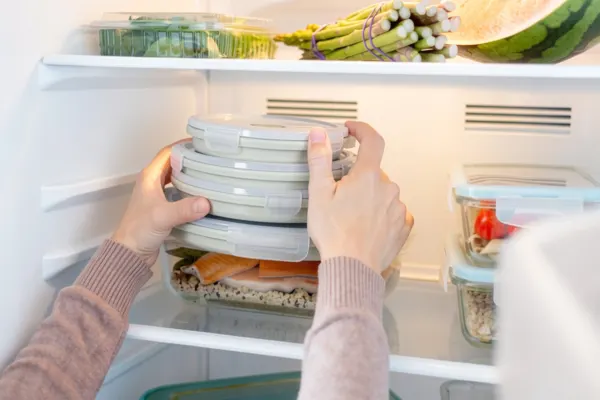
There isn’t one single “best” container for everyone. The best salad storage container for fridge use is one that helps control excess moisture, reduces exposure to ethylene gas, and protects delicate leaves from being crushed.
From my own experience, a container that works well for salad usually focuses on three things: moisture control, airflow, and keeping ingredients separated. As for materials, the most common choices are glass and plastic, especially Tritan plastic, and each has its own strengths. Glass doesn’t absorb odors or stains and can go straight into the microwave if you’re reheating cooked ingredients.
Tritan plastic is much lighter and can be made with features like ventilation systems or drainage baskets that aren’t practical with glass. Stainless steel is another option. It keeps food cool and blocks light well, but because you can’t see what’s inside and it isn’t microwave-safe, I don’t find it as convenient for everyday use.
If I had to choose just one, I would still pick a borosilicate glass food storage container for both home and office use. It’s clean, durable, and when combined with the storage tips I’ll share later, it keeps salad fresh more than well enough.
There’s no simple answer because the better choice depends on how you plan to use it. Here’s a table for you to make a quick decision:
| Feature | Glass Containers | Plastic Containers |
| Odor & stain resistance | Excellent — nonporous surface | Fair — can absorb smells over time |
| Weight | Heavier, less ideal for lunch bags | Lightweight and travel-friendly |
| Breakage risk | Can crack or shatter if dropped | Very durable, won’t shatter |
| Microwave-safe | Yes, in almost all cases | Only if labeled microwave-safe |
| Cost | Generally higher | Generally lower |
| Best for | Longer-term fridge storage, reheating leftovers | On-the-go lunches, kids’ containers, travel |
Glass stands out because it’s very stable and doesn’t hold onto smells. Even after storing salads with strong dressings or lots of garlic, it washes clean without leaving any odor behind. That’s a big advantage if you don’t like flavors transferring between foods. Another benefit is that you can take it straight from the refrigerator to the microwave, which makes meal prep much easier.
The downside is that glass is heavier and can break if dropped. Also, a completely sealed glass container can collect condensation as temperatures change. If wet leaves stay against the sides of the container, they can soften more quickly. Fortunately, placing a sheet of paper towel inside solves this problem, although you’ll need to replace it every couple of days.
When it comes to plastic, Tritan is the only material I personally recommend. It’s crystal clear like glass but much lighter and far more resistant to breaking. More importantly, many containers with advanced freshness features, such as charcoal filters or adjustable vents, are made from Tritan because it’s easier to mold into more detailed designs. These features really can extend the freshness of leafy greens.
On the other hand, I don’t recommend storing salad in ordinary PP plastic containers for long periods. They tend to absorb oil and food odors over time, making them harder to clean and more likely to leave unwanted smells in your salad.
So my conclusion is simple. If you care most about cleanliness and don’t mind the extra weight, borosilicate glass is an excellent choice when paired with the right storage methods. If lightweight design is more important to you, or you want leafy greens to stay fresh for a week or even longer, a Tritan container with ventilation and drainage features is the better option.
That said, another material’s less common but has worked surprisingly well for me: food-grade silicone bowls. They sit somewhere between glass and plastic. Compared with regular plastic, silicone is less likely to absorb oil or odors, yet it’s still lightweight, durable, and safe for both the microwave and freezer. What I appreciate most are two practical details.
First, empty silicone bowls can collapse flat, so they take up very little space in the refrigerator, cupboard, or your bag. Second, some models include a small air valve on the lid. By pressing out some of the air before sealing the container, you reduce the amount of oxygen inside, which helps slow down oxidation.
This follows the same idea as controlling ethylene gas to delay yellowing. If you’re already happy with your glass or plastic containers, you probably don’t need to replace them. However, if you want something more flexible that doesn’t take up space when not in use, silicone bowls are definitely worth considering.
After trying quite a few different containers over the years, these are the features I pay the most attention to.
The first thing to consider is how the container handles moisture and airflow. This is by far the most important factor. Some containers simply rely on an airtight seal, which means you’ll need to add paper towels yourself to absorb condensation.
Better designs include a raised drainage tray that keeps the greens away from any water collecting at the bottom. More advanced containers may also have charcoal filters or adjustable vents to help remove ethylene gas and excess moisture. If you regularly store salad for a week or more, these features are worth looking for, although they aren’t essential for everyone.
Next, pay attention to the material. If you’re buying glass, choose borosilicate glass because it handles temperature changes much better than ordinary glass. If you prefer plastic, look for containers clearly labeled as Tritan, and avoid cheap plastic boxes that have a noticeable smell.
It’s also helpful if the dressing can be stored separately. Salad leaves wilt quickly once they’re mixed with dressing, so a container with a built-in dressing cup is ideal. If your container doesn’t include one, a small leakproof dressing container works just as well.
Don’t overlook the small details either. The silicone gasket should be removable so you can clean it thoroughly. Seals that can’t be removed often trap moisture, develop mold, and eventually start to smell. Strong, sturdy locking clips are another feature worth paying for because thin clips tend to break after repeated use.
Finally, choose the right size and shape. For one person, a container between 1.2 and 1.6 liters is usually enough. Square or rectangular containers also make better use of refrigerator space and allow you to spread the greens out more evenly.
In my experience, the way you store your salad is even more important than the container you choose. When you follow the right method, even a basic food storage container can keep greens fresh much longer.
1. Dry the leaves thoroughly.
I use an inexpensive manual salad spinner, and after washing the greens, I spin them until the leaves feel cool and slightly damp, but no visible water remains. This one habit prevents most of the problems that cause salad to spoil, so it’s one kitchen tool I think is well worth buying.
2. Layer your ingredients properly.
If I’m preparing a salad to take to work, I either keep the dressing in a separate container or place it at the very bottom. Then I add firm vegetables like cherry tomatoes, cucumbers, and carrots, followed by protein or grains such as chicken breast or quinoa. The leafy greens always go on top. When it’s time to eat, I simply mix everything.
3. Make good use of paper towels.
No matter which container I’m using, I place a dry paper towel over the greens before closing the lid. It absorbs condensation that forms inside the container and helps prevent the leaves from becoming soggy. Replacing the towel every day or two can keep the salad fresh for several extra days.
4. Always keep the dressing separate.
The only exception is sturdy vegetables like kale or cabbage, which can handle being dressed in advance. For more delicate greens, wait until just before serving.
Yes, they do, but that doesn’t mean everyone needs one. Specialized lettuce keepers, especially those with charcoal filters, are based on sound principles. The charcoal helps absorb the ethylene gas released by lettuce, slowing down yellowing, while the ventilation system allows excess moisture to escape so the leaves don’t become too damp.
I’ve tested this myself using the same batch of washed and dried lettuce. In a dedicated lettuce keeper, the greens stayed fresh for nearly two weeks. The outer leaves became slightly soft toward the end, but the inside remained crisp and free from rot. Using an ordinary airtight container with the paper towel method, the lettuce usually stayed in good condition for about a week. It gradually became less crisp and started to yellow, but it still didn’t spoil.
So is a lettuce keeper worth buying? If you regularly buy whole heads of lettuce, often throw away leftovers, or like preparing meals for the week ahead, it can significantly reduce food waste and save you money over time.
On the other hand, if you only eat salad occasionally or you’re happy using a regular glass container with paper towels, you probably won’t notice enough benefit to justify the extra cost. In short, a lettuce keeper is a useful tool that can extend freshness even further, but it’s not something every kitchen absolutely needs.