
If you enjoy hiking and camping, you really need to be well-prepared before you hit the trail. I’ve seen too many people just throw on a backpack and head out with barely anything. The truth is, accidents happen in the outdoors when you least expect them. I’ve seen people get injured with no first aid supplies, leading to infections. I’ve seen campers suffer from hypothermia because they weren’t dressed for the weather. The list goes on.
Don’t let that scare you off if you truly love the outdoors. Just learn from others’ experiences. Know what to bring and how to use it. With the right preparation, you can handle most unexpected situations and head out with confidence.
My first backpacking trip, I packed a 45-liter bag with nearly 15 kilograms of gear. By the end of the first day, I had two red stripes worn into my shoulders from the straps. And about half the stuff I brought never got used. The most ridiculous thing I packed was a full liter bottle of shampoo—because I thought, “what if I want to wash my hair?” Three days in the backcountry and I didn’t even see a decent water source. I also brought an extra pair of hiking boots that took up a third of my pack, but the pair I wore never even had a problem the entire trip.
After that disaster, I started thinking seriously about what I actually needed to carry. This isn’t some generic “top 10 must-have list” you find online. This is my list—the one I built by making mistakes, hauling useless weight, and learning the hard way. These are real lessons from real hikes.
Your backpack is the single most important piece of gear you’ll carry. I started with a regular sports backpack, and after half a day of hiking, my shoulders were in agony. I switched to a proper hiking backpack with a good suspension system, and the difference was huge—the weight transfers to your hips instead of your shoulders. When choosing a backpack, don’t just look at capacity. What matters is how it reduces the load on your body. Shoulder straps are for balance, not for carrying the weight.
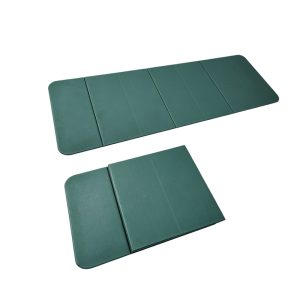
These three items—sleeping bag, sleeping pad, and pillow—determine whether you’ll actually get any rest at night. For a sleeping bag, just pick one with a temperature rating that fits your season. You don’t need the lightest one on the market. I learned the hard way with sleeping pads—I bought an ultra-light inflatable pad that deflated in the middle of the night, leaving me flat on the cold ground. Never again. I switched to a foam pad. Heavier by a few ounces, but it keeps me off the ground all night without needing a recharge. And I never skip the pillow. Even a cheap inflatable one makes a world of difference.
In the backcountry, a hot meal does more than fill your stomach—it restores your energy. I use a lightweight integrated canister stove. It’s stable, reliable, and boils water fast. Paired with a titanium mug or small pot, it’s enough for instant noodles or hot drinks. To save space, bring a foldable silicone bowl. It’s compact and affordable. For utensils, I just carry one spork. The less you bring that needs washing, the less effort you waste.
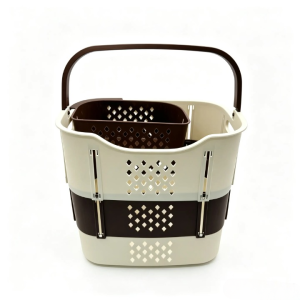
Water is non-negotiable, even in the backcountry. But campsites near water sources can get crowded, and trips back and forth for water are tedious. That’s where a collapsible water bucket changes everything. It’s lightweight, holds a lot, and packs flat when not in use. A 5-liter one is enough for washing and cooking on your own. For groups, a 10-liter works better. If you’re set up near a water source, one trip a day gives you all the water you need.
Weather in the mountains changes faster than you can flip a page. On a clear morning, the sun can burn your skin; by afternoon, a downpour can soak you to the bone. I never leave without a rain jacket, no matter what the forecast says. Choose one that’s both waterproof and breathable—it’ll protect you from rain and wind alike.
Headlamps seem useless during the day, but the moment the sun sets, you’ll realize how essential they are. I use a rechargeable lightweight model with enough brightness for camp tasks. If you’re using it a lot, pack spare batteries. In winter, the days are shorter, and you’ll need reliable light for longer.
I never cut corners on my first-aid kit. Bandages, antiseptic wipes, pain relievers, gauze, and blister plasters take up almost no space, but when you need them, they’re life-savers. An emergency blanket and whistle are also part of my kit. They weigh next to nothing, but in a real pinch, they can be the difference between a bad day and a disaster.
Your phone is convenient. But when you’re in the mountains without service, it’s just a brick. I download offline maps before every trip, but I also carry a paper map and compass as backup. I’ve dropped my phone in rivers, run out of battery, and watched screens die from moisture. Be prepared. Always.
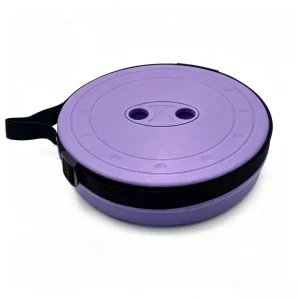
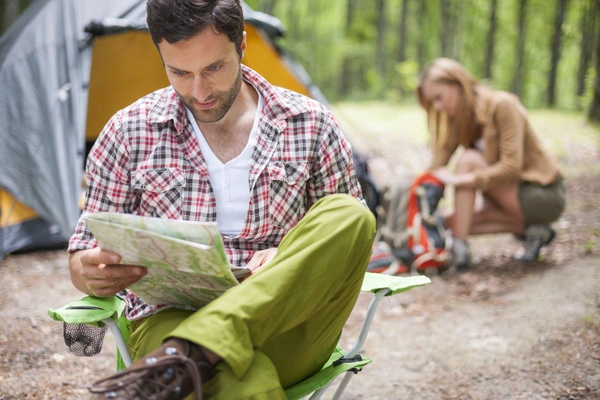
Many hikers think chairs are dead weight. But after a long day on the trail, being able to sit just a few inches off the ground does wonders for your back and knees. A lightweight folding chair clips to the outside of your pack and takes up zero internal space. At camp, it’s the one piece of gear you’ll fight over—you can sit down and rest, recover your strength, and take in the scenery around you.
You might think sleeping is just about lying down. But in the backcountry, good rest is critical. I recently added a foldable neck pillow to my kit. I mostly use it when I’m leaning back in the tent or resting against a tree, but it keeps my neck stable, stops my head from drooping, and helps my body recover faster after a long trek. It packs down small and tucks into the top lid of my pack. At night, it can even unfold into a small blanket. When one item serves multiple purposes, it’s a must-pack—it saves space and makes the journey so much more comfortable. That’s what really matters.
These items are the ones I always bring on every camping and hiking trip. There are obviously other essentials—like a tent and other common gear—but these are the ones that people often overlook. I hope these lessons from my own experience help make your next trip safer and more enjoyable.