
You picked up a bottle labeled “BPA free” and assumed you were covered. But here’s what most buyers don’t realize: BPA is only one of dozens of harmful plasticizers. Some bottles swap it out for BPS or BPF — chemicals with nearly identical health concerns — and still slap “BPA free” on the label.
In this guide, you’ll learn exactly what BPA is, which materials are genuinely safe, and how to find your water bottle that won’t leach anything into your drink.
BPA (bisphenol A) is a synthetic estrogen-mimicking chemical used to harden plastics and line metal containers. It’s been linked to hormonal disruption, increased cancer risk, and developmental issues in children.
The problem isn’t just old, scratched-up plastic bottles. Even new polycarbonate containers can leach BPA — especially when exposed to heat, acidic drinks, or prolonged use.
Where BPA typically hides:
Buyers ask this question constantly. The short answer is: yes, modern Nalgenes are safe. Nalgene switched from polycarbonate to Tritan copolyester in 2008, after BPA concerns became mainstream. Their current bottles are BPA-free and BPS-free.
That said, Tritan is still a plastic. If you’re particularly sensitive to chemical exposure or just prefer not using plastic at all, food-grade silicone or stainless steel are better long-term choices.
This is the part most buyers may miss. When manufacturers remove BPA, they often replace it with structurally similar bisphenols — BPS, BPF, or BPAF. Some research suggests these substitutes may be just as disruptive.
The safest materials for a BPA water container are ranked here:
When we are evaluating and selecting bottles, always look past the marketing and check these specifics:
Look for FDA-approved or LFGB-certified materials (European food safety standard, stricter than the FDA). “Food grade” without a certification can be vague.
Most leaks — and most chemical exposure — happen at the lid, not the bottle body. A silicone sealing ring is far more reliable than a hard plastic-only lid.
If you’re hiking or traveling, this matters more than people admit. Heavy stainless bottles are great at home; lightweight silicone or Tritan makes more sense on the trail.
Planning to fill with hot tea or leave your bottle in a car? Check the temperature range. Most Tritan bottles top out around 60°C. Food-grade silicone generally handles higher heat ranges safely.
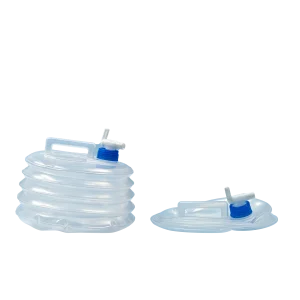
One category that’s genuinely useful for outdoor and travel use: collapsible silicone bottles. They solve a real problem — the dead weight of an empty rigid bottle in your pack.
One option worth knowing: Foldable Space makes a collapsible BPA-free silicone bottle built from FDA-approved food-grade silicone and PP materials. It compresses down by up to 70%, weighs only 141g, and handles both hot and cold drinks (down to -15°C and up to 70°C). The lid uses a built-in silicone sealing ring, which is a meaningful upgrade over bottles with loose plastic caps that rely solely on thread friction.
It’s a solid pick if you want something that genuinely disappears into your bag when empty — useful for day hikes, commutes, or travel where pack space is tight.
Even the safest bottle becomes a hazard if you don’t maintain it properly.
“BPA free” is a starting point, not a finish line. The safest bottles use food-grade silicone, stainless steel, or certified Tritan — and have clear material certifications to back up their claims.
For everyday use at home, any reputable stainless or glass bottle works well. For outdoor use, travel, or anyone who hates carrying a bulky empty bottle, a collapsible silicone option like the Foldable Space bottle is worth a serious look.
Check the label or the bottom of the bottle for “BPA Free” markings. You can also look for food-grade materials like silicone, Tritan, or stainless steel. Avoid bottles marked with recycling code 7 unless they clearly state they are BPA-free.
Yes. Nalgene switched from polycarbonate (which contained BPA) to Tritan copolyester in 2008. Current Nalgene bottles are both BPA-free and BPS-free. They’re a reliable choice for most uses, though if you want to avoid plastic entirely, stainless steel or silicone are stronger alternatives.
Food-grade silicone and 18/8 stainless steel are widely considered the safest materials. Both are chemically inert, don’t leach known disruptors, and hold up well over time. Borosilicate glass is equally safe but fragile. FDA-approved Tritan is a reasonable plastic option if flexibility or weight is a priority.
The BPA won’t — but structurally similar chemicals might, depending on the material. The risk is highest with heat exposure, scratching, or prolonged acidic drink storage in any plastic container. Silicone and stainless steel sidestep this issue entirely because they don’t contain bisphenol-type compounds at all.