
If you live in a small apartment, you know the struggle: too many things, too little room. Every corner seems crammed with furniture. You have to squeeze sideways to walk through, open doors carefully so they don‘t hit a cabinet, and before buying anything new, you first have to figure out if it fits and where it could possibly go.
Since we can’t change the size of our home, the only solution is to make the most of the space we have. The key isn‘t to buy less furniture—it’s to make the furniture you do buy work harder. The most effective approach is to look for two things when shopping: multifunctionality and foldability. Convertible sofa beds, storage ottomans, and foldable tables are all great examples of furniture that saves space without sacrificing usefulness.
When floor space is extremely limited, furniture needs to earn its keep. Don‘t see it as just decoration—treat it as a hard-working assistant in your home. Every piece should pull its weight. For a small space, the ideal piece must balance comfort, aesthetics, and practicality all at once.
Take the sofa bed, for example. During the day it’s a comfortable couch; at night it turns into a bed. If you have an occasional guest, you don‘t need a dedicated spare room. Some sofa beds even come with storage drawers underneath, perfect for stashing cushions, blankets, or offseason clothes. One piece does the job of two—couch and bed—in one go.
When you’re looking at any piece of furniture, ask yourself: What else can this do besides its obvious job? The more answers you get, the better the buy.
A coffee table with hidden storage is another clever choice. Most dining tables only hold things on top, but a storage coffee table lets you store remotes, magazines, and snacks inside, keeping the surface clean and everything organized. It can also double as a casual dining table or a laptop desk—you can have dinner while watching a show, or set up your computer without needing a separate desk.
What about stools? A storage ottoman is an underrated gem. It looks like a regular stool, but lift the lid and you’ll find empty space inside—perfect for socks, toys, or miscellaneous odds and ends. Place it by the door as a footrest for changing shoes, or pair it with a coffee table as extra seating at just the right height.
We often think we don‘t have enough space because we keep piling things on the floor. But floor space isn’t the only real estate—you need to use vertical space. Look upward.
Using your walls is the most direct way to free up floor area. If you lift items off the ground and move storage from the floor to the walls and high places, the room instantly feels more spacious. For example, if you‘re serious about storage, install a floortoceiling cabinet along an entire wall. It more than doubles your storage capacity, draws the eye upward, and makes the room feel taller and tidier.
Walls, corners, and even ceilings offer huge storage potential. There are also small tricks: add a row of hooks behind the door to hang coats as soon as you get home, so they don’t end up on chairs or sofas. And don‘t forget the tiny dead spaces—the side of the fridge, the corner of your balcony. Take a look and see what you can store there; you’ll be surprised how much extra space you discover. If you want a neater room, the simplest method is to hide things away, and these spots are perfect for that. Once you put them to good use, the floor will naturally stay clear.
Many people don‘t realize that furniture doesn’t have to have a fixed shape. Some pieces can be opened when you need them and folded away when you don‘t—and that, I think, is exactly what small-space living calls for.
The dining table is one of the most useful pieces of furniture, but it also takes up a lot of room. Consider a drop-leaf or extendable table: on a normal day with just two or three people, keep it small. But when the holidays come and you have guests over for a party, you can expand it to seat up to ten. It handles daily use and special occasions alike.
For the living room, if you want a place for both relaxing and working, look at nesting tables. Several tables of different sizes stack together, taking up the footprint of just one. When you need extra surface for snacks or a laptop, simply pull one out. This kind of foldable design is far more practical for small spaces than fixed-size furniture.
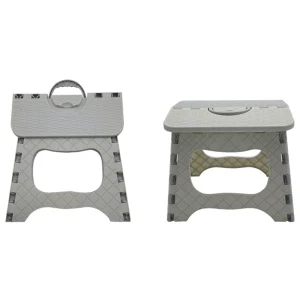
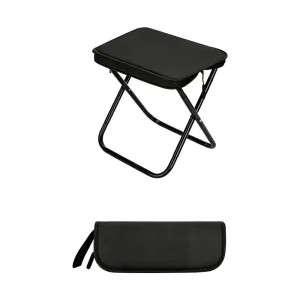
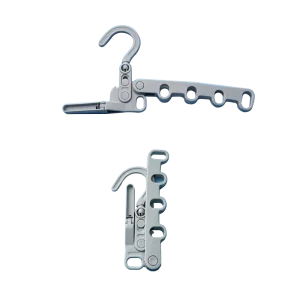
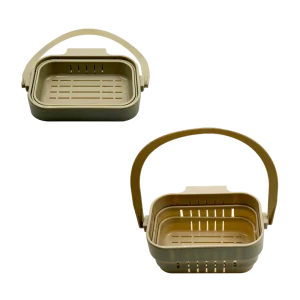
Beyond large pieces, there are also smaller items—things you don‘t use every day, but still need when the moment comes. These are perfect candidates for foldable versions. They can save you up to 85% of storage space when not in use.
If you like working out at home, you probably have a yoga mat. Traditional rolled mats curl at the edges, get dirty, and when rolled up they become a bulky tube that’s hard to store—it looks ugly, takes up space, and keeps falling over. All that hassle can make you want to skip your workout. That‘s where a foldable yoga mat comes in. Instead of rolling, it folds. When not in use, it becomes a compact rectangle about the size of a thick book. You can slide it under the sofa, stand it behind a door, or tuck it next to a bookshelf. If you want to take it outdoors, just fold it up and slip it into your bag. When you need it, open it up—it takes two seconds and lies flat without curling. That’s the beauty of foldable design: it turns something that takes up space into something that can “disappear” when you don‘t need it.
The same idea works on your desktop. Every day you work, study, watch shows, or join video calls, switching between phone, tablet, and laptop. Your desk gets cluttered, and the already small table feels even more cramped. But you don’t need a bunch of different stands—you can handle all of them with a foldable adjustable stand. When not in use, drop it into a drawer and the desk is clear. Need it? Take it out, open it up, and it holds your phone, tablet, or laptop securely at a comfortable angle. Instantly, your desk looks tidy. It‘s not a large piece of furniture, but it’s something you use every day. A small tool that folds away neatly is far more practical than a bulky fixed stand.
Not if you choose quality products. In fact, the opposite is often true—well-designed pieces are built to be folded, flipped, and converted over and over again. Solid wood frames and heavy-duty metal mechanisms are made for daily use.
A well-made folding table or chair is every bit as sturdy as its traditional, single-purpose counterpart. If you want it to last, the key is to look for materials and construction that are built to endure. The difference comes down to whether you want something that lasts ten years or something that lasts ten uses.
This is a classic pitfall when buying large furniture. You pick the perfect piece, pay for it, and on delivery day it gets stuck in the stairwell or won’t fit through the door.
So before you choose a size, do one thing first: measure every single doorway, hallway, and corner the furniture has to pass through. Many people only measure the room and assume it will fit, only to find out later it‘s stuck in the corridor.
If you’re not sure how to get precise measurements, here‘s a simple but effective trick: use painter’s tape to mark the furniture‘s footprint on the floor. Outline its length, width, and height, then walk around as you normally would for a few days. You’ll quickly see if the size really works—whether it blocks your path, gets in the way, or makes the room feel cramped. Once you‘ve done that, you can order with confidence.
If you’re frustrated by a lack of space, remember that while we can‘t change the size of our home, we can choose smarter furniture. The right pieces make every square foot count: multifunctional furniture does more with less, wall-mounted designs free up floor space, and foldable pieces adapt to your needs and disappear when you don’t need them.
None of these ideas are complicated, but when used well, even a room of just a dozen square meters can feel comfortable and spacious.